Key Takeaways
- Content creators must exercise caution when using or displaying emulated devices in videos, even if the content is historical or educational in nature.
- Legal consequences for piracy are escalating, particularly in countries with strict copyright enforcement like Italy.
- The gaming community continues to debate whether emulation is preservation or piracy—yet the law remains firmly on the side of intellectual property holders.
As retro game prices skyrocket and consoles become collector’s items, many gamers are turning to emulation to relive the classics. Whether through unofficial ROMs or official collections like Mortal Kombat: Legacy Kollection, retro nostalgia is thriving—but not without risk.
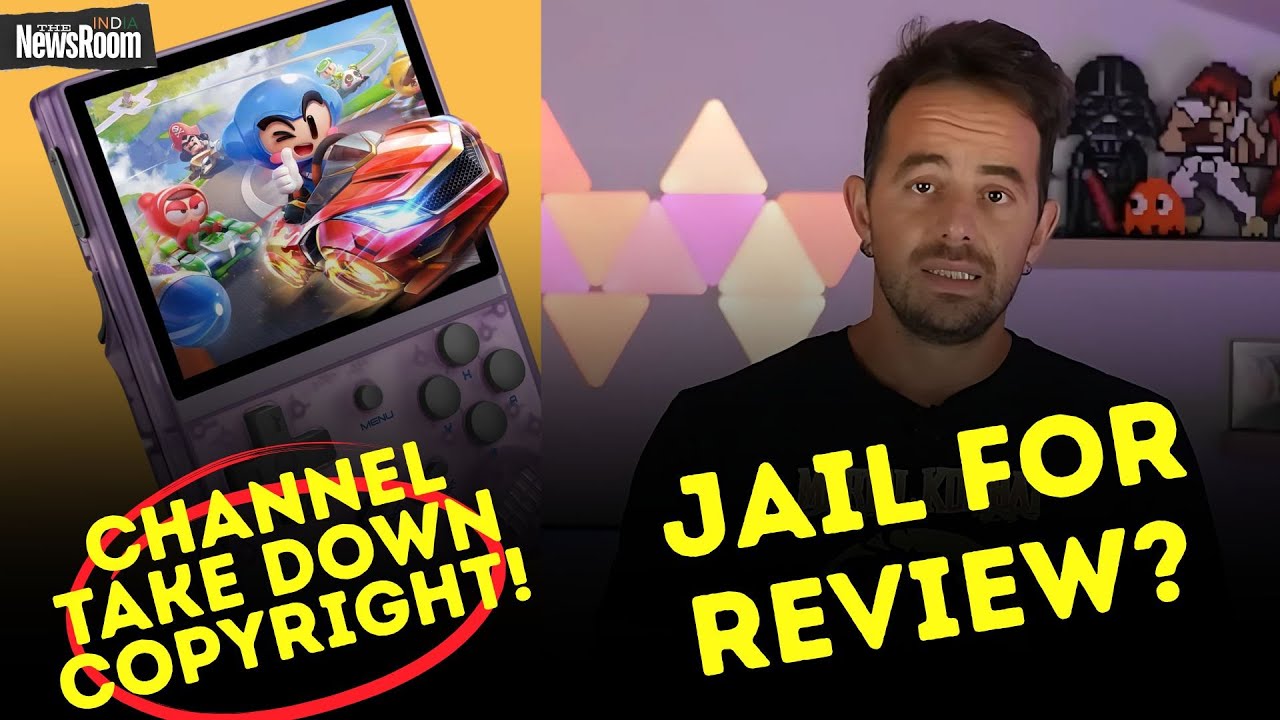
In a recent case stirring debate across the gaming community, Italian YouTuber Once Were Nerd is now facing potential jail time simply for showcasing retro games via handheld emulation devices on his channel.
Emulation Content Draws Legal Attention in Italy
According to Android Authority, the Italian Guardia di Finanza served a search warrant on Once Were Nerd over allegations related to promoting pirated materials. Authorities reportedly seized several handheld emulation devices, which are often preloaded with ROMs of copyrighted games.
Italian copyright law, specifically Article 171, targets the distribution and promotion of pirated software, and violations can carry penalties of up to three years in prison and significant fines. Though the YouTuber claims his videos focus on historical and informational content, Italian law does not distinguish between intent and possession when it comes to software piracy.
GoFundMe Launched to Support Legal Defense
In response to the charges, Once Were Nerd has launched a GoFundMe campaign to finance legal representation. The creator, who has not been officially detained, expects the case to proceed to trial and is currently preparing his legal defense.
According to a PC Gamer translation, he maintains that his content does not promote piracy but rather documents retro gaming culture. Still, the legality of owning or displaying devices loaded with pirated ROMs remains a complex and precarious issue.
The Ongoing Risks of Emulation and Content Creation
This case underscores a growing tension between preservation, accessibility, and copyright law. While many gamers argue that emulation is a necessary means of preserving gaming history, legal systems across the globe are tightening restrictions.
YouTubers and content creators now find themselves navigating an increasingly risky landscape, where even showcasing hardware can trigger legal scrutiny.
Disclaimer: The information in this article is for general purposes only and does not constitute financial advice. The author’s views are personal and may not reflect the views of GameDegen.com. Before making any investment decisions, you should always conduct your own research. GameDegen.com is not responsible for any financial losses.