Key Takeaways
- NFT games rely on decentralized networks to give players verifiable ownership of in-game assets.
- Blockchain ensures transparency, fairness, and security in gameplay and transactions.
- Smart contracts automate game mechanics, reducing fraud and central control.
NFT Games and the Rise of True Digital Ownership
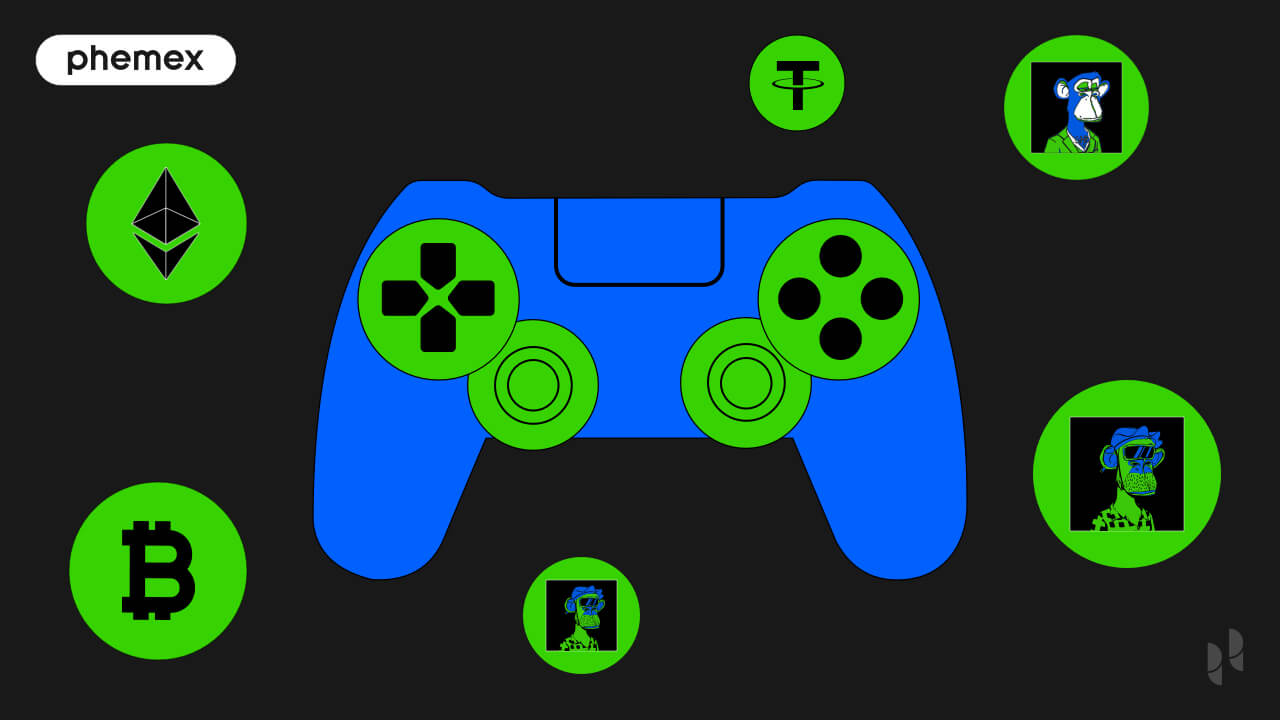
NFT games are transforming the gaming landscape by allowing players to own in-game items as non-fungible tokens (NFTs). Unlike traditional games, where virtual assets remain under the control of the developer, NFT games store these assets on decentralized networks, giving players true ownership.
Decentralized networks act as immutable ledgers where each NFT represents a unique item, character, or reward. Players can buy, sell, or trade these assets freely, creating a player-driven economy that is transparent and secure. This shift from centralized to decentralized asset control empowers gamers and fosters trust in the gaming ecosystem.
Decentralized Networks Ensure Transparency and Security
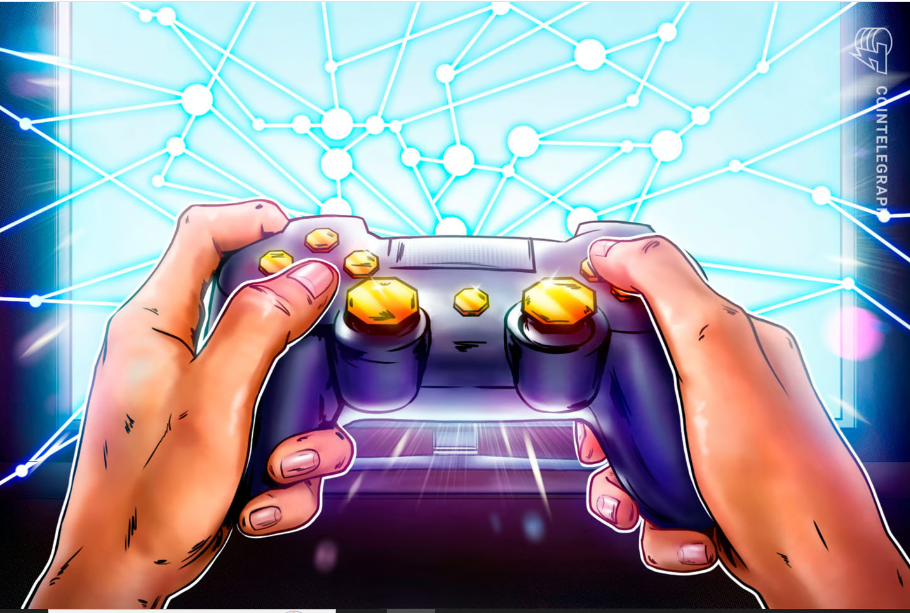
At the heart of NFT gaming is the blockchain—a decentralized network that verifies and records all transactions across a distributed ledger. This ensures that every in-game asset and transaction is transparent, immutable, and resistant to tampering.
Key benefits include:
- Secure ownership: Players can prove they own an NFT without relying on a central server.
- Tamper-proof economy: Trades, auctions, and rewards are recorded on-chain, preventing fraud or duplication.
- Open verification: Anyone can independently verify transactions, fostering trust in the game’s mechanics.
By leveraging these networks, NFT games create an ecosystem where fairness is guaranteed, and digital assets retain real-world value.
Smart Contracts Automate Game Mechanics
Smart contracts—self-executing code stored on decentralized networks—are a backbone of NFT games. They automate functions like rewards distribution, leveling up, or item crafting without human intervention.
For players, this means:
- Reliable gameplay rules: No arbitrary changes or favoritism by developers.
- Instant transactions: Buying, selling, or transferring NFTs occurs securely and instantly on-chain.
- Reduced fraud risk: Smart contracts prevent exploits that could compromise game integrity.
By embedding game logic in code, developers ensure that the game runs transparently and consistently for all participants.
A New Era of Player-Driven Economies
NFT games powered by decentralized networks are not just about gameplay—they are about creating real digital economies. Players can monetize their time, skills, and creativity through item trading, staking, or participating in governance decisions. Decentralized networks make these economies fair, secure, and verifiable, opening opportunities for both casual gamers and professional participants.
As the gaming world evolves, NFT games illustrate how decentralized networks are reshaping not just ownership but the very structure of play, rewards, and trust.
Disclaimer: The information in this article is for general purposes only and does not constitute financial advice. The author’s views are personal and may not reflect the views of GameDegen.com. Before making any investment decisions, you should always conduct your own research. GameDegen.com is not responsible for any financial losses.