Key Takeaways
- Cross-play allows players on different platforms to play together, breaking traditional console or PC barriers.
- Technical, business, and balance challenges often prevent games from supporting cross-play.
- Understanding cross-play helps players choose games with wider multiplayer communities and longer-lasting engagement.
What Is Cross-Play?
Cross-play, sometimes called cross-platform play, enables players on different gaming systems—PC, PlayStation, Xbox, Switch, or mobile—to join the same game world.
Historically, games were siloed by platform. A PlayStation player could not compete against an Xbox user, limiting multiplayer communities and fragmenting matchmaking pools. Cross-play solves this by syncing servers, matchmaking, and progression systems across platforms, allowing a unified gaming experience.
How Cross-Play Works
Cross-play involves several technical layers:
Server Architecture
Many modern games rely on centralized servers that manage player connections. Cross-play requires these servers to communicate seamlessly across platform ecosystems.
Account Linking
Players often link their console account to a game-specific profile or platform-independent account. This allows progression, items, and friends lists to carry over regardless of platform.
Input and Balance Adjustments
Different platforms have varying input methods (keyboard/mouse vs. controller) and performance capabilities. Developers sometimes implement matchmaking tiers or aim assist to balance gameplay fairly.
Why Some Games Don’t Support Cross-Play
Despite its advantages, not all games allow cross-play. Common reasons include:
Business Agreements and Console Policies
Platform holders may restrict cross-play to protect ecosystem exclusivity. Some publishers fear losing control over revenue or player base segmentation.
Technical and Development Challenges
Integrating cross-play requires substantial resources: server synchronization, account linking, anti-cheat systems, and balancing mechanics. Smaller studios may lack the capacity to implement these systems.
Competitive Balance Concerns
Games emphasizing precision controls or esports-level competitiveness may avoid cross-play to prevent perceived advantages between players on different devices.
Monetization and Progression Issues
Cross-play may require complex adjustments to in-game purchases, currencies, or progression systems to ensure fairness across platforms, which some developers find prohibitive.
The Benefits of Cross-Play
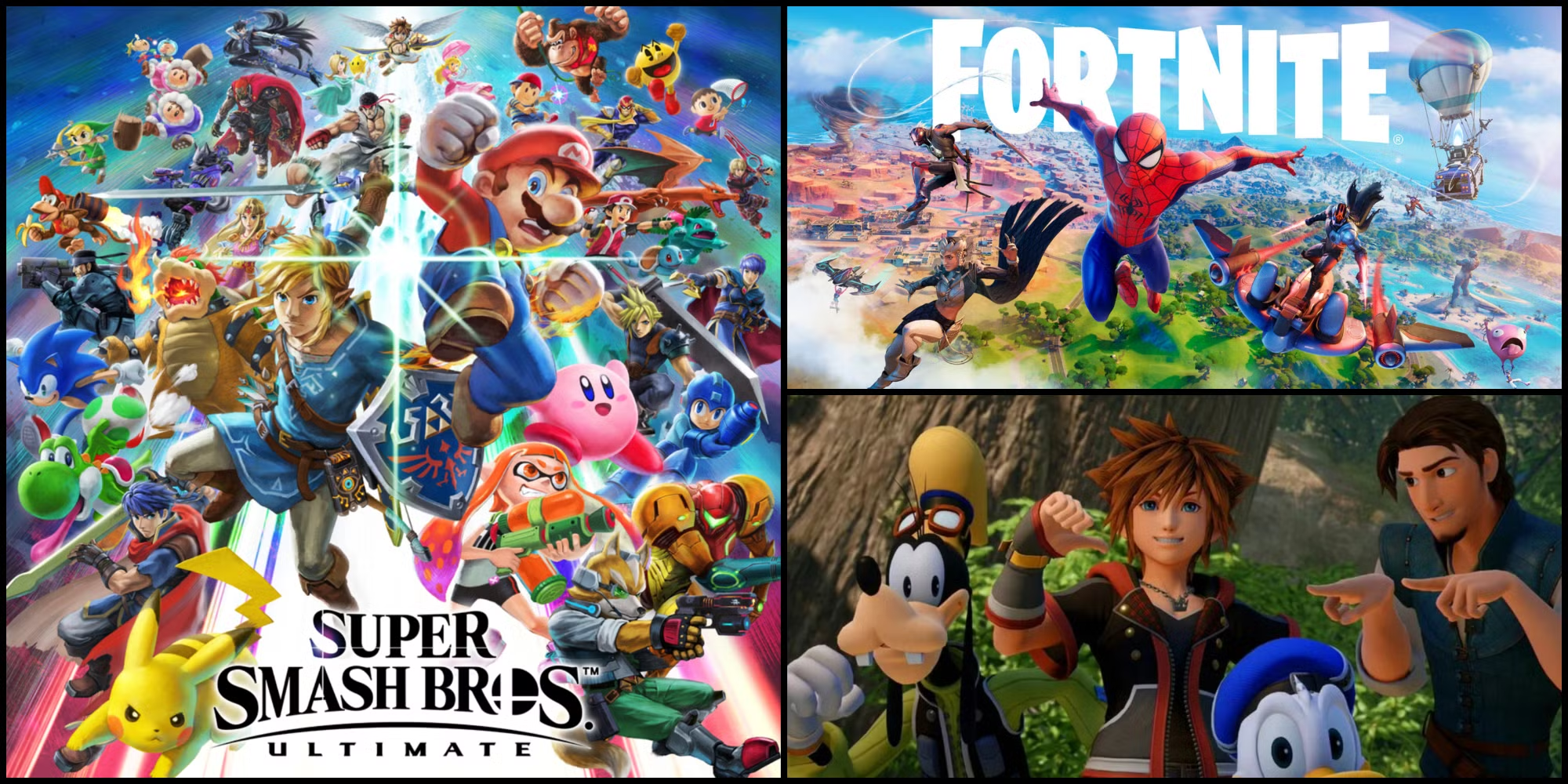
Games that embrace cross-play enjoy broader communities, longer matchmaking pools, and more social engagement. Players can join friends regardless of platform, reducing friction and increasing retention. Titles like Fortnite, Minecraft, and Call of Duty: Warzone show how cross-play can strengthen a game’s ecosystem and lifespan.
Conclusion: Cross-Play Is the Future, but Challenges Remain
Cross-play represents the next evolution in multiplayer gaming, uniting players across devices and fostering larger, more connected communities. While technical, business, and balance challenges prevent universal adoption, its benefits are undeniable. As gaming ecosystems continue to evolve, more titles in 2025–2026 are expected to implement cross-play, making platform boundaries less relevant and multiplayer experiences richer for everyone.
Disclaimer: The information in this article is for general purposes only and does not constitute financial advice. The author’s views are personal and may not reflect the views of GameDegen.com. Before making any investment decisions, you should always conduct your own research. GameDegen.com is not responsible for any financial losses.