Key Takeaways
- A successful game trailer balances cinematic appeal with clear gameplay insight to hook audiences immediately.
- Storytelling, pacing, and emotional resonance are as important as graphics in driving engagement and pre-orders.
- Data-driven marketing strategies, including audience targeting and release timing, maximize a trailer’s impact.
Why Game Trailers Are More Than Just Teasers
In today’s gaming market, a game trailer is often the first impression players have of a title. It doesn’t just showcase visuals; it communicates the tone, gameplay, and excitement of the game. A poorly executed trailer can cost hype, sales, and trust, while a compelling one can drive viral marketing, pre-orders, and lasting brand loyalty.
Behind every successful trailer is a blend of creative storytelling and marketing science, ensuring that viewers not only watch but feel compelled to engage.
Elements of an Effective Game Trailer
1. Strong Hook in the First Seconds
Attention spans are short. The first 5–10 seconds should immediately captivate viewers—whether through a striking visual, a gripping sound cue, or a bold gameplay moment. Trailers that fail to hook audiences early often see high drop-off rates online.
2. Balance Between Cinematic and Gameplay Footage
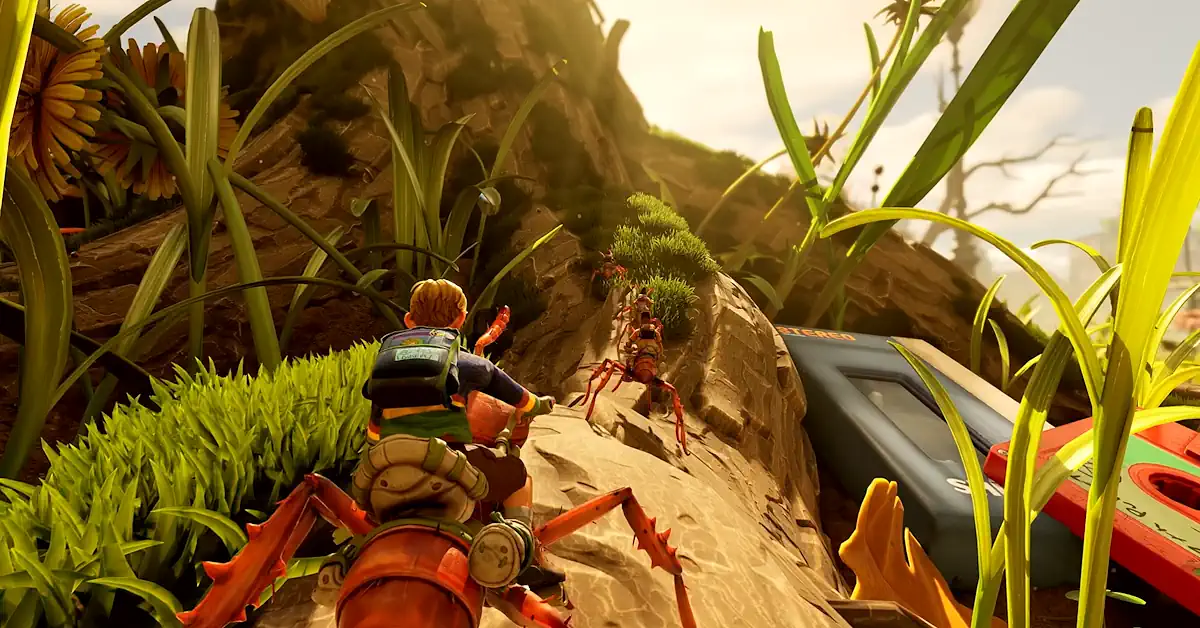
While cinematic sequences create emotional impact, gamers also want to see real gameplay. The best trailers strike a balance, showing both narrative-driven scenes and mechanics like combat, exploration, or puzzle-solving.
3. Clear Messaging and Branding
Viewers should understand what the game is about without needing external context. Titles, logos, release dates, and core features should be clear. Consistent branding across trailers, social media, and promotional materials strengthens recognition.
4. Emotional Resonance
Whether humor, suspense, nostalgia, or awe, strong trailers evoke emotion. Emotional engagement increases shares, social discussion, and anticipation for launch.
5. Pacing, Editing, and Audio Design
Well-timed cuts, music, sound effects, and voiceovers enhance immersion and narrative flow. Trailers that feel rushed or poorly edited can undermine excitement, even if the underlying game is strong.
The Marketing Science Behind Timing and Targeting
Creating a good trailer isn’t just about content—it’s about strategy. Marketing teams rely on data and psychology to maximize impact:
- Optimal release windows: Trailers released during events (like E3 or Gamescom) or high-traffic periods achieve broader reach.
- Audience targeting: Teasers and gameplay reveals are often tailored to specific player demographics.
- Social proof and virality: Early access previews, influencer reactions, and shareable moments amplify reach organically.
- Feedback loops: Monitoring engagement metrics helps adjust future trailers, teasers, and promotional campaigns.
By combining creative storytelling with data-driven insights, publishers can ensure trailers resonate and convert viewers into players.
Common Mistakes to Avoid
Even experienced studios occasionally falter. Key pitfalls include:
- Overloading with cinematic sequences and neglecting gameplay clarity.
- Misrepresenting the final game, creating hype that the title can’t meet.
- Ignoring pacing, music, or narrative coherence, leading to forgettable trailers.
- Releasing trailers without a clear promotional strategy or audience targeting.
Avoiding these mistakes is essential for maintaining credibility and maximizing launch success.
Conclusion: A Great Game Trailer Is Both Art and Science
A successful game trailer combines visual spectacle, emotional storytelling, and strategic marketing. It captures attention, communicates core gameplay, and motivates players to engage before launch. Understanding both the creative and scientific aspects of trailer design is crucial for developers and marketers aiming to make a lasting impact in a competitive gaming industry.
In the crowded gaming landscape, a great trailer can be the difference between a title that gets noticed and one that fades into obscurity.
Disclaimer: The information in this article is for general purposes only and does not constitute financial advice. The author’s views are personal and may not reflect the views of GameDegen.com. Before making any investment decisions, you should always conduct your own research. GameDegen.com is not responsible for any financial losses.