Key Takeaways
- Dynamic pricing adjusts NFT game asset values based on supply, demand, and player behavior in real time.
- Blockchain transparency ensures fair, verifiable pricing for in-game items and NFTs.
- Properly implemented dynamic pricing supports sustainable, player-driven economies.
Understanding Dynamic Pricing in NFT Games
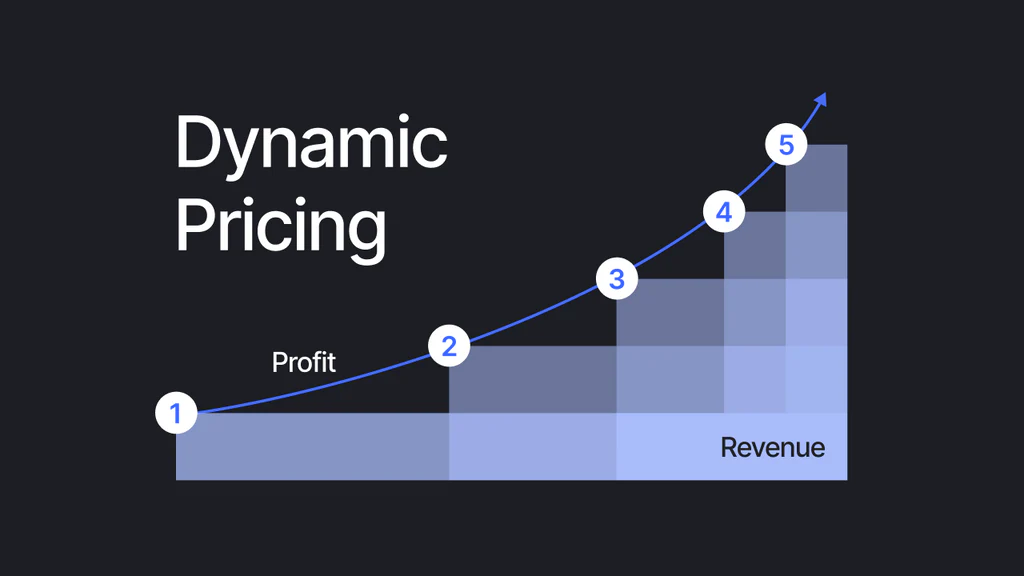
Dynamic pricing in NFT games allows the market value of assets—like skins, weapons, or land plots—to fluctuate in real time according to demand and availability. Unlike fixed pricing in traditional games, dynamic pricing mirrors real-world economic principles, creating a living, player-driven marketplace.
This approach ensures that rare items retain value, highly sought-after resources reflect player interest, and in-game economies remain balanced.
How Supply and Demand Shape Asset Value
At the core of dynamic pricing are supply and demand mechanics:
- Scarcity: Limited edition or hard-to-craft NFTs increase in price when demand rises.
- Abundance: Easily obtainable or oversupplied assets decrease in value.
- Player behavior: High activity, seasonal events, or meta changes influence desirability.
By tracking these factors on-chain, NFT games maintain transparent and verifiable pricing that players trust.
Algorithmic and On-Chain Pricing Models
Most NFT games use algorithmic or on-chain models to determine dynamic pricing:
- Bonding curves: Prices increase as more of an asset is minted or purchased.
- Automated market makers (AMMs): Liquidity pools set token or NFT prices based on real-time trading.
- Event-driven adjustments: Updates, quests, or tournaments temporarily affect supply-demand balance.
These models make pricing predictable yet flexible, giving players insights while allowing markets to react naturally.
Benefits of Dynamic Pricing
Dynamic pricing offers several advantages in NFT game economies:
- Fair market value: Players pay and earn based on actual market conditions.
- Economic sustainability: Prevents asset devaluation caused by oversupply or inflation.
- Enhanced engagement: Players strategize when to buy, sell, or craft items based on trends.
- Interoperable economies: Prices reflect utility and scarcity across games or marketplaces.
By integrating dynamic pricing, developers create self-regulating, player-driven marketplaces that reward strategy and timing.
Challenges and Best Practices
While powerful, dynamic pricing must be carefully implemented:
- Avoid extreme volatility that discourages casual players.
- Combine with sinks and token-burning mechanics to maintain balance.
- Use analytics and player feedback to fine-tune algorithms.
- Ensure transparency so players trust the system.
Balancing flexibility with stability is key to keeping both economy and gameplay enjoyable.
Conclusion: Dynamic Pricing as a Market Engine
Dynamic pricing transforms NFT game assets into living market instruments, where supply, demand, and player activity determine value. By leveraging blockchain and algorithmic pricing models, NFT games create transparent, fair, and sustainable economies.
In 2025, dynamic pricing will remain a cornerstone of player-driven Web3 gaming, driving engagement, strategy, and economic opportunity in the metaverse.
Disclaimer: The information in this article is for general purposes only and does not constitute financial advice. The author’s views are personal and may not reflect the views of GameDegen.com. Before making any investment decisions, you should always conduct your own research. GameDegen.com is not responsible for any financial losses.