Key Takeaways
- Governance tokens give players a voice in game development, economic policies, and community rules.
- Decisions on updates, rewards, and tokenomics are increasingly driven by token holders.
- Token-driven governance aligns player incentives with the long-term health of the game ecosystem.
What Are In-Game Governance Tokens?
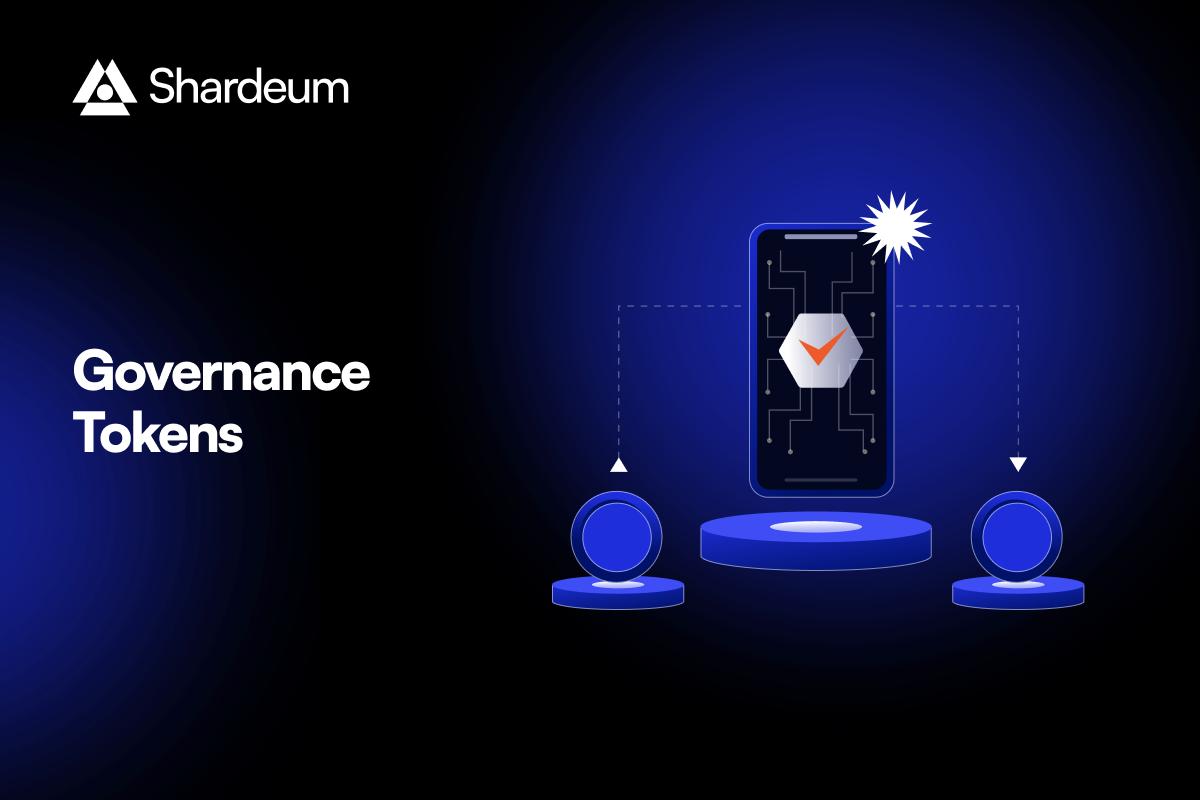
In-game governance tokens are blockchain-based assets that allow holders to vote on key aspects of a Web3 game. Unlike traditional in-game currencies, these tokens provide decision-making power, enabling players to influence:
- Game updates and features
- Reward systems and tokenomics
- Event planning and partnerships
- Marketplace rules and NFT management
Essentially, governance tokens turn players into co-creators, blending participation with strategic influence.
How Governance Tokens Shape Player Decisions
1. Voting on Proposals
Token holders can submit and vote on proposals. Players decide whether to implement new features, adjust in-game rewards, or change economic parameters. High-stake decisions, like introducing rare NFTs or adjusting staking rewards, often directly influence player strategies.
2. Strategic Token Holding
Players may accumulate tokens not just to vote, but to increase influence in shaping game outcomes. This creates layered strategies where players balance gameplay, token acquisition, and governance participation.
3. Participation Incentives
Governance tokens often carry perks for active involvement:
- Early access to updates or new content
- Higher rewards for community engagement
- Voting weight that impacts competitive or economic advantages
Players are thus incentivized to engage both in-game and in governance.
Impact on Player Behavior
- Long-Term Engagement: Players invested in governance are more likely to remain active over time.
- Economic Awareness: Understanding tokenomics and voting mechanics drives more thoughtful gameplay and trading strategies.
- Community Collaboration: Governance encourages discussions, alliances, and cooperative strategies among token holders.
This intertwining of economic, social, and strategic factors creates a unique dynamic not seen in traditional gaming.
Challenges and Considerations
While governance tokens empower players, they also introduce challenges:
- Power Concentration: Large token holders can dominate votes, potentially skewing decisions.
- Low Participation: Many players may not vote, reducing the effectiveness of decentralized governance.
- Complexity: Balancing game design with token governance can overwhelm casual players.
Successful Web3 games design governance mechanisms that encourage broad participation while mitigating concentration and complexity risks.
Real-World Examples
Games like Decentraland, Illuvium, and Star Atlas utilize governance tokens to influence:
- Updates to gameplay rules
- Allocation of treasury funds
- Launch of seasonal events
- Changes to NFT rarity and staking systems
In each case, active token holders play a critical role in shaping the evolving ecosystem.
Conclusion
In-game governance tokens are more than just tradable assets—they are instruments of influence that directly impact player decisions. By linking ownership, strategy, and voting power, these tokens align player incentives with game longevity and community health. In the era of Web3 gaming, understanding how in-game governance tokens influence player decisions is essential for anyone seeking to play, invest, or contribute meaningfully to decentralized game ecosystems.
Disclaimer: The information in this article is for general purposes only and does not constitute financial advice. The author’s views are personal and may not reflect the views of GameDegen.com. Before making any investment decisions, you should always conduct your own research. GameDegen.com is not responsible for any financial losses.