Key Takeaways
- Fungible tokens are interchangeable digital assets, while non-fungible tokens (NFTs) are unique and indivisible.
- Each type serves different purposes, from cryptocurrency transactions to digital collectibles.
- Knowing the distinction helps investors, gamers, and creators make informed decisions in blockchain ecosystems.
Fungible Tokens: Interchangeable Digital Assets
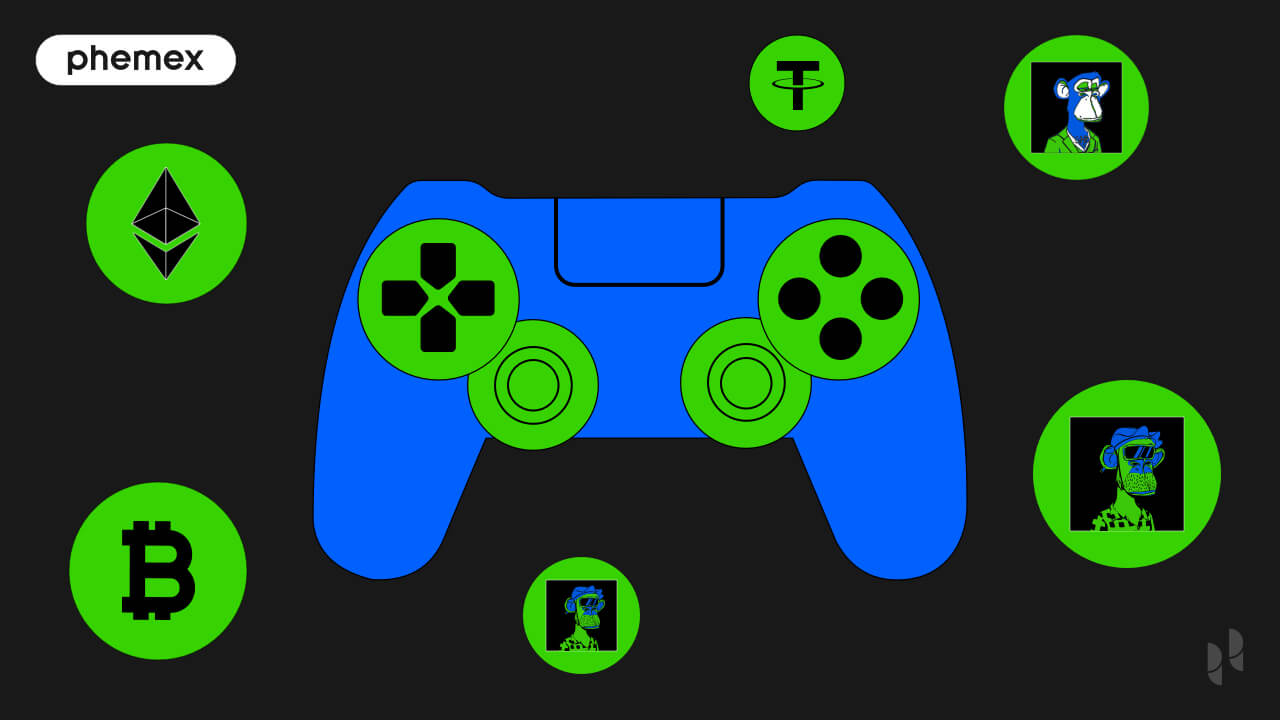
Fungible tokens are the most common type of digital asset on blockchains. Bitcoin, Ethereum, and stablecoins are prime examples. Each token is identical in value and function, meaning one Bitcoin is equal to any other Bitcoin.
Use cases include:
- Currency and payments
- Trading on crypto exchanges
- Liquidity in decentralized finance (DeFi)
Fungibility allows for easy exchange and standardization—critical for everyday transactions and financial applications.
Non-Fungible Tokens: Unique Digital Assets
Non-fungible tokens (NFTs) represent unique items on the blockchain. Unlike fungible tokens, each NFT has distinct properties, metadata, and ownership history. This makes them ideal for digital art, collectibles, gaming assets, and virtual real estate.
Characteristics of NFTs:
- Indivisible and unique
- Ownership verified on blockchain
- Cannot be exchanged on a one-to-one basis
NFTs create opportunities for creators to monetize digital content and for players to own verifiable in-game items.
Key Differences at a Glance
| Feature | Fungible Token | Non-Fungible Token |
|---|---|---|
| Interchangeable | Yes | No |
| Divisible | Usually | No |
| Use Case | Currency, DeFi, Trading | Digital Art, Gaming, Collectibles |
| Value | Uniform | Unique per item |
Understanding this distinction is crucial for anyone navigating blockchain ecosystems, whether investing, creating, or playing Web3 games.
Practical Implications
For investors and gamers:
- Fungible tokens are suitable for liquidity and speculative trading.
- NFTs are better for long-term ownership, collectibles, or in-game advantages.
For creators:
- NFTs allow artists and developers to sell unique digital assets directly to consumers, often with royalties encoded in smart contracts.
The difference between fungible and non-fungible tokens is more than technical—it shapes how value is created, exchanged, and preserved in the digital economy.
Conclusion: Making Informed Blockchain Choices
Recognizing whether a digital asset is fungible or non-fungible helps users make smarter decisions across finance, gaming, and digital ownership. Fungible tokens excel in interchangeability and liquidity, while NFTs offer uniqueness and verifiable ownership. Knowing the distinction empowers players, collectors, and investors to navigate the blockchain world with confidence.
Disclaimer: The information in this article is for general purposes only and does not constitute financial advice. The author’s views are personal and may not reflect the views of GameDegen.com. Before making any investment decisions, you should always conduct your own research. GameDegen.com is not responsible for any financial losses.