Sean Williams

How Cross-Game Asset Portability Enhances Player Experience

Key Takeaways How Cross-Game Asset Portability Enhances Player Experience As Web3 gaming matures, one of its most transformative ideas is cross-game asset portability—the ability for players to carry digital items such as NFT characters, skins, or tools across multiple gaming environments. This shift marks a break from traditional, closed ecosystems where every asset is trapped…

Read More
NFT Gaming

Understanding Multi-Chain NFT Gaming Ecosystems

Key Takeaways How Multi-Chain NFT Gaming Ecosystems Create a New Player Experience The rise of multi-chain NFT gaming ecosystems marks one of the most important shifts in Web3 gaming. Instead of relying on a single blockchain, modern NFT games now operate across multiple networks—often blending Ethereum, Polygon, Avalanche, BNB Chain, Solana, or specialized gaming chains….

Read More
metaverse

How Web3 Games Prevent Bot Farming and Exploits

Key Takeaways Understanding Bot Farming and Exploits in Web3 Games Web3 games combine blockchain mechanics, NFTs, and tokenized rewards, creating unique opportunities—and risks. Bot farming occurs when automated scripts mimic human behavior to grind tokens, loot, or experience, often exploiting system weaknesses. Similarly, game exploits take advantage of coding or economic loopholes for unfair gain….

Read More

How In-Game Governance Tokens Influence Player Decisions

Key Takeaways What Are In-Game Governance Tokens? In-game governance tokens are blockchain-based assets that allow holders to vote on key aspects of a Web3 game. Unlike traditional in-game currencies, these tokens provide decision-making power, enabling players to influence: Essentially, governance tokens turn players into co-creators, blending participation with strategic influence. How Governance Tokens Shape Player…

Read More

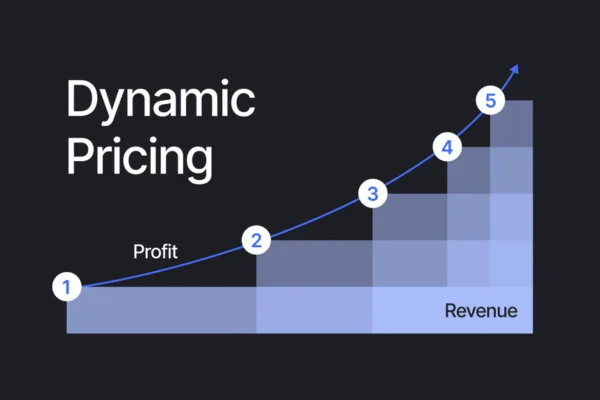
How Dynamic Pricing Works for NFT Game Assets

Key Takeaways Understanding Dynamic Pricing in NFT Games Dynamic pricing in NFT games allows the market value of assets—like skins, weapons, or land plots—to fluctuate in real time according to demand and availability. Unlike fixed pricing in traditional games, dynamic pricing mirrors real-world economic principles, creating a living, player-driven marketplace. This approach ensures that rare…

Read More
NFT Gaming

How NFT Lending Works in Gaming Ecosystems

Key Takeaways What Is NFT Lending in Gaming? NFT lending is a mechanism where digital assets—like rare weapons, characters, or land—can be temporarily loaned to other players. Using smart contracts, ownership remains with the lender while the borrower gains temporary access to the NFT’s in-game utility. This concept introduces flexibility into Web3 gaming economies, enabling…

Read More
Decentralized Marketplaces

How Decentralized Finance (DeFi) Powers Play-to-Earn Rewards

Key Takeaways DeFi Meets Gaming: The Rise of Play-to-Earn The play-to-earn (P2E) model transforms traditional gaming by allowing players to earn real-world value while engaging with virtual worlds. At the heart of this innovation is Decentralized Finance (DeFi), which provides the infrastructure for tokenized rewards, staking systems, and yield-generating mechanics. By combining gaming with DeFi,…

Read More
Web3

How Web3 Games Integrate Yield Strategies With Gameplay

Key Takeaways How Web3 Games Integrate Yield Strategies With Gameplay Web3 gaming is evolving beyond collectibles and play-to-earn rewards. The next frontier is integrating yield strategies directly into gameplay, letting players earn passive or active returns while participating in immersive experiences. By connecting traditional financial mechanics with in-game systems, these games create deeper, more sustainable…

Read More
NFT Gaming

How Fractional NFTs Are Changing Access to Rare Game Assets

Key Takeaways What Are Fractional NFTs? Fractional NFTs (fNFTs) break a single NFT into multiple, tradeable “fractions” represented as smaller tokens. Instead of a single owner holding a high-value item, several players can co-own it. This innovation is particularly impactful in Web3 gaming, where rare assets like legendary weapons, exclusive land parcels, or high-tier characters…

Read More
Staking Tokens

How Web3 Games Integrate Yield Strategies With Gameplay

Key Takeaways Yield Strategies Meet Gameplay in Web3 Games Web3 games are redefining how players earn and interact with digital assets. By embedding yield strategies—a hallmark of decentralized finance (DeFi)—directly into gameplay, these games turn ordinary in-game actions into potential financial opportunities. Players no longer just compete or explore; they invest, stake, and farm while…

Read More
Back To Top