Sean Williams

Decentralized Marketplaces

How DAO Governance Influences Web3 Game Decisions

Key Takeaways What Is DAO Governance in Gaming? Decentralized Autonomous Organizations (DAOs) are blockchain-based structures where decisions are made collectively by token holders rather than centralized management. In Web3 gaming, DAOs empower communities to vote on key elements of the game, such as: This model aligns the game’s development with the interests of active players…
Read More

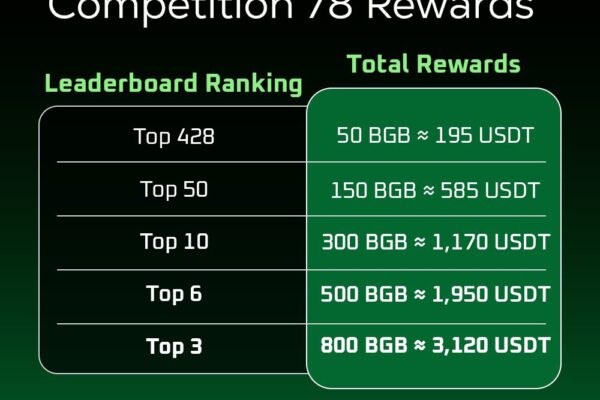
Understanding On-Chain Leaderboards and Competitive Rewards

Key Takeaways The Rise of On-Chain Leaderboards in NFT Games In traditional gaming, leaderboards track player performance, but trust relies entirely on centralized servers. On-chain leaderboards, however, record achievements and scores directly on a blockchain. This ensures verifiable performance, enabling players to compete fairly in NFT games where rewards carry real-world value. By using blockchain…

Read More
play-to-earn-crypto-games-p2e

How Token Burn Mechanics Affect In-Game Economies

Key Takeaways How Token Burn Mechanics Affect In-Game Economies Web3 gaming isn’t just about NFTs or play-to-earn rewards—it’s about creating sustainable, player-driven economies. A crucial tool in this effort is the token burn mechanism, a process where tokens are permanently removed from circulation. While it may seem simple, token burns have profound implications for scarcity,…

Read More
NFT Gaming

How Rare NFT Traits Impact Player Strategy and Value

Key Takeaways Understanding NFT Traits in Gaming NFTs in blockchain games are not just collectibles—they are functional assets with unique traits that can affect gameplay, appearance, and trading potential. Traits can include anything from character stats, special abilities, or cosmetic features such as clothing, colors, or animation styles. The rarity of these traits creates differentiation,…

Read More

How GameFi Projects Merge Gaming and DeFi Mechanics

Key Takeaways GameFi: Where Gaming Meets Finance GameFi, short for Game Finance, represents a new frontier in the Web3 ecosystem. These projects fuse traditional gaming mechanics with decentralized finance (DeFi), allowing players to earn, trade, and invest while playing. Unlike standard games, where in-game currency holds no real-world value, GameFi projects turn gameplay into an…

Read More
NFT Gaming

Understanding Interoperability Between NFT Games

Key Takeaways Understanding Interoperability Between NFT Games As Web3 gaming evolves, one concept is redefining how players think about digital ownership: interoperability between NFT games. Instead of keeping assets locked within isolated platforms, interoperability opens the door to cross-game transfers, shared virtual worlds, and persistent identities that follow players wherever they go. This idea sits…

Read More
Decentralized Marketplaces

The Role of Decentralized Marketplaces in NFT Gaming

Key Takeaways How Decentralized Marketplaces Power the NFT Gaming Revolution As NFT gaming expands through 2025, decentralized marketplaces have become a critical pillar of the Web3 gaming ecosystem. These platforms allow players to trade skins, land plots, characters, resources, and other NFT-based assets freely—without relying on centralized gatekeepers. This shift empowers players, unlocks new earning…

Read More
blockchain

How Blockchain Oracles Bring Real-World Data to Games

Key Takeaways How Blockchain Oracles Bring Real-World Data to Games The next evolution of gaming is being built on the blockchain—and its most transformative ingredient may not be graphics, AI, or hardware upgrades. Instead, it’s blockchain oracles, the technology that funnels real-world data into decentralized games. Oracles give Web3 titles the power to respond to…

Read More
Layer-2

Understanding Layer-2 Scaling for Web3 Gaming Performance

Key Takeaways Why Layer-2 Scaling Matters for Web3 Gaming Web3 gaming promises player-owned assets, on-chain economies, and interoperable worlds—but delivering these features comes with technical constraints. Blockchains like Ethereum face congestion, high gas fees, and limited throughput, creating bottlenecks for games that require instant reaction times and continuous in-game transactions. This is where Layer-2 scaling…

Read More
Back To Top