Key Takeaways
- Layer-2 rollups process transactions off-chain, drastically reducing gas fees for NFT games.
- Faster, cheaper transactions enable smoother in-game experiences and scalable economies.
- Developers can innovate with complex mechanics without burdening players with high costs.
Understanding Layer-2 Rollups in NFT Gaming
NFT games, built on Ethereum or other blockchains, often struggle with high gas fees. Every in-game action that requires a blockchain transaction—buying a skin, trading an NFT, or claiming rewards—can cost players significant amounts, slowing adoption and discouraging small-scale interactions.
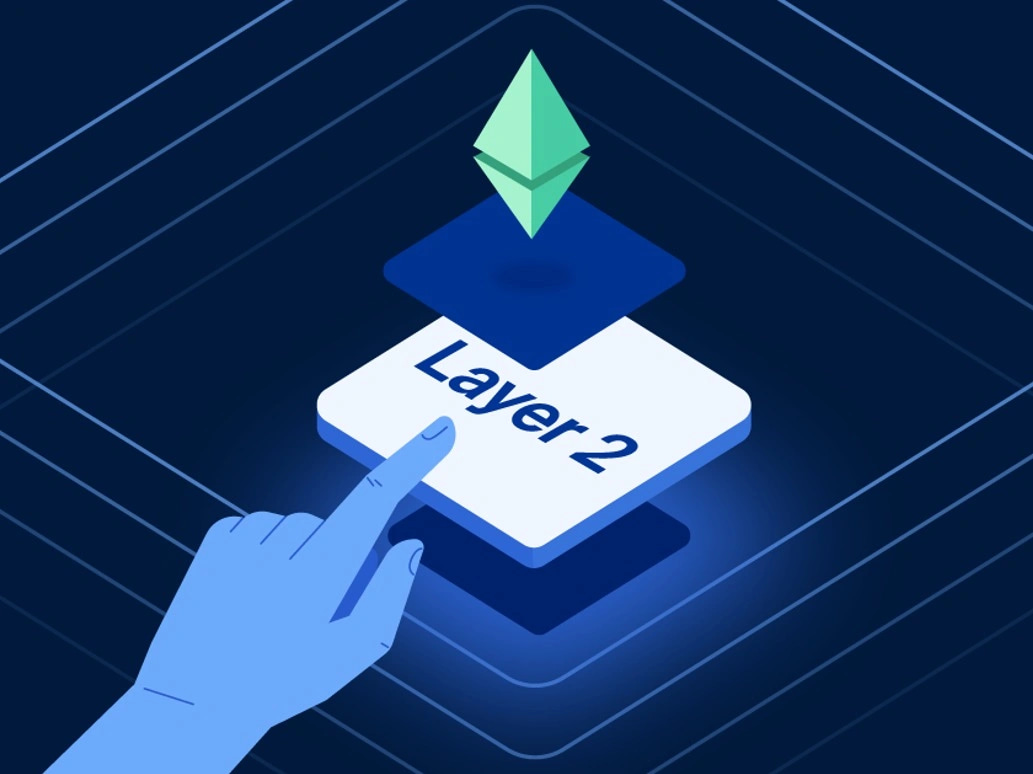
Layer-2 rollups are a solution. They move transaction computation off the main blockchain (Layer-1) while still recording results securely on-chain. By batching many transactions together, rollups share the cost across multiple operations, lowering the fees per transaction.
How Rollups Cut Costs and Increase Speed
There are two primary types of rollups—Optimistic Rollups and Zero-Knowledge (ZK) Rollups—both designed to improve efficiency:
- Optimistic Rollups assume transactions are valid and only verify if a dispute arises, which reduces on-chain computation.
- ZK Rollups use cryptographic proofs to validate large batches of transactions simultaneously, ensuring security while minimizing gas usage.
For NFT games, this translates into cheaper, near-instant transactions. Players can mint, trade, or upgrade NFTs without worrying about exorbitant fees, while developers can implement richer game mechanics that require frequent on-chain interactions.
Benefits for Players and Developers
For Players:
- Reduced gas costs mean microtransactions and in-game purchases become feasible.
- Smoother gameplay with less waiting for transaction confirmations.
- Improved accessibility for casual gamers who previously avoided high-fee environments.
For Developers:
- Ability to design more complex game economies with frequent trades and dynamic NFT interactions.
- Lower operational barriers allow for larger player bases and more active markets.
- Enables innovative mechanics like cross-game asset portability or on-chain tournaments without prohibitive costs.
Scaling NFT Games Without Sacrificing Security
One of the key advantages of Layer-2 rollups is scalability without compromising security. Since rollups settle on the Ethereum mainnet, they inherit its security guarantees while allowing NFT games to operate at a fraction of the cost.
This makes Layer-2 solutions ideal for play-to-earn models, competitive trading, and NFT marketplaces where gas fees have traditionally been a major friction point.
Conclusion: A Gas-Efficient Future for NFT Gaming
Layer-2 rollups are redefining the economics of blockchain gaming. By significantly lowering gas fees and increasing transaction speed, they make NFT games more accessible, scalable, and enjoyable for players while giving developers room to innovate.
As Layer-2 adoption grows, NFT games can expand without compromising security, unlocking new possibilities for gameplay, asset portability, and player-driven economies.
Disclaimer: The information in this article is for general purposes only and does not constitute financial advice. The author’s views are personal and may not reflect the views of GameDegen.com. Before making any investment decisions, you should always conduct your own research. GameDegen.com is not responsible for any financial losses.