Trending
play-to-earn-crypto-games-p2e

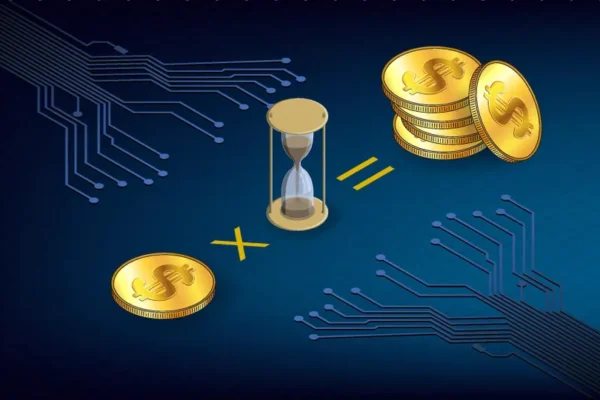
What “Inverse Minting” Means for Game Asset Deflation

Key Takeaways Understanding Inverse Minting in Blockchain Games Blockchain gaming is evolving past the traditional “mint-to-earn” model, where new tokens and assets flood the market continuously, often undermining value. Inverse minting flips this paradigm. Rather than issuing more assets, the system burns or locks them based on player interactions, usage, or specific in-game events. The…

Read More
Battlefield

The Future of Player-Owned Battle Arenas

Key Takeaways Redefining Competitive Spaces Traditional esports and competitive gaming rely on centralized servers and developer-controlled arenas. While effective, this structure limits player influence, revenue sharing, and innovation. Player-owned battle arenas are emerging as a new paradigm where the community—not just developers—controls the competitive environment. By decentralizing ownership, these arenas allow players to manage matchmaking…

Read More
Web3

Why Interoperable Emotes Are Becoming a Thing in Web3

Key Takeaways How Emotes Are Evolving in Web3 Emotes—short animations or gestures used to communicate in-game—have been a staple of multiplayer games for years. In 2025, Web3 titles are taking this concept further with interoperable, tokenized emotes. Unlike traditional emotes tied to a single game, these blockchain-based assets can move across titles, metaverses, and social…

Read More
Staking Tokens

How Web3 Games Use Verifiable Credentials for Player Identity

Key Takeaways Introduction: Identity Challenges in Web3 Gaming As Web3 gaming grows in 2025, developers face a core challenge: ensuring player identity while respecting privacy. Traditional accounts rely on centralized logins, which can be compromised or exploited. Web3 games, however, are experimenting with verifiable credentials—cryptographically secure proofs of identity that confirm a player’s authenticity without…

Read More
blockchain

How Blockchain Gaming Rewards Early Players Without Ponzinomics

Key Takeaways Blockchain Gaming Is Leaving Ponzinomics Behind For years, Web3 gaming suffered from a reputation problem. Many early projects relied heavily on token inflation, speculative hype, and reward mechanics that resembled Ponzi structures: early adopters earned outsized returns mostly because new users kept buying in.By 2025, the conversation looks very different. A new generation…

Read More
Staking Tokens

What Tokenized Soundtracks Mean for Game Creators

Key Takeaways How Tokenized Soundtracks Reshape Creative Ownership For years, music in games has been treated like any other production asset: licensed, embedded, and rarely revisited. In the Web3 era, tokenized soundtracks change that dynamic. They let game creators package audio as blockchain-based assets, enabling new ownership and distribution models that align with modern player…

Read More
AI

How AI + Blockchain Can Build Evolving Game Lore

Key Takeaways How AI + Blockchain Can Build Evolving Game Lore Game worlds are becoming more dynamic, complex, and community-driven. Traditional lore systems—static stories written pre-launch—can limit player agency and slow worldbuilding. Developers increasingly experiment with AI-generated narrative content, blending procedural creativity with player actions. When combined with blockchain, this creates a new storytelling model:…

Read More
Web3

Why Web3 Games Are Adding “Play Caps” to Fight Bots

Key Takeaways Why Web3 Games Are Adding “Play Caps” to Fight Bots As Web3 gaming expands in 2025, one of its biggest threats is still automated botting. Bots exploit reward loops, distort token supplies, and undermine fair competition. While anti-cheat tools have improved, blockchain-based economies require an additional layer of economic protection. This is where…

Read More
blockchain

How On-Chain Analytics Shape Live Game Updates

Key Takeaways Real-Time Data Is Reshaping Web3 Game Development As Web3 games mature in 2025, the ability to make real-time adjustments has become a competitive advantage. Traditional online games rely on centralized logs, developer intuition, and delayed patches. But blockchain introduces a new layer: on-chain analytics, a transparent stream of verifiable player data that developers…

Read More
Back To Top