Key Takeaways
- On-chain leaderboards ensure transparent and verifiable competition in NFT games.
- Competitive rewards, often in tokens or NFTs, incentivize skill and long-term player engagement.
- Blockchain integration prevents fraud and creates sustainable, player-driven gaming economies.
The Rise of On-Chain Leaderboards in NFT Games
In traditional gaming, leaderboards track player performance, but trust relies entirely on centralized servers. On-chain leaderboards, however, record achievements and scores directly on a blockchain. This ensures verifiable performance, enabling players to compete fairly in NFT games where rewards carry real-world value.
By using blockchain technology, game developers eliminate concerns over cheating, manipulation, or unclaimed prizes. Every victory, high score, or ranking is immutable and publicly auditable.
How Competitive Rewards Enhance Player Motivation
The combination of NFTs and tokens as rewards transforms simple leaderboard positions into tangible incentives. Players can earn:
- Native tokens that can be staked, traded, or used within the game ecosystem.
- NFT assets, such as rare skins, characters, or weapons, that may appreciate in value.
- Special privileges, like access to exclusive content or tournaments.
This creates a feedback loop: the more players engage and perform well, the more value they can extract, encouraging long-term participation.
Transparency and Security Through Blockchain
On-chain leaderboards provide three key advantages over traditional systems:
- Immutable Records: Player scores and rankings cannot be altered, ensuring fairness.
- Decentralized Verification: Smart contracts automatically distribute rewards based on predefined rules.
- Fraud Prevention: Automated verification prevents cheating, boosting player trust in competitive events.
This transparency is particularly important in play-to-earn and competitive NFT games, where rewards have real monetary value.
Designing Sustainable Leaderboard Systems
While competitive rewards attract players, developers must carefully balance incentives to avoid economic instability. Best practices include:
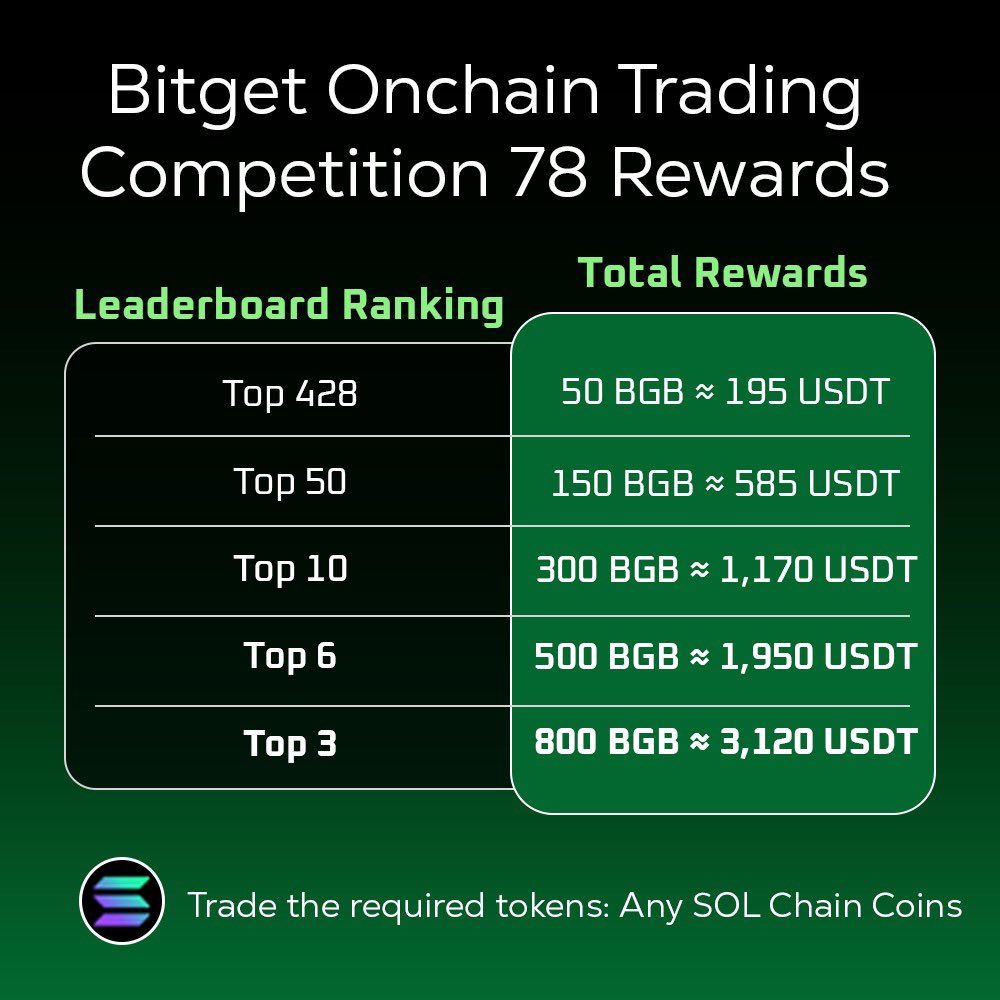
- Reward scaling: Higher-ranked players earn more, but lower ranks still receive meaningful rewards.
- Limited editions: Rare NFTs or seasonal rewards maintain scarcity and excitement.
- Dynamic resets: Periodic leaderboard resets prevent stagnation and keep the competition fresh.
By aligning fun, skill, and tokenomics, games maintain active communities without inflating in-game currencies or assets.
Conclusion: Leaderboards as a Core of Player-Driven Economies
On-chain leaderboards and competitive rewards are more than just rankings—they are critical tools for engagement, fairness, and economic growth in NFT games. By combining transparency, blockchain security, and meaningful incentives, developers can create ecosystems where players compete, earn, and contribute to a vibrant, sustainable in-game economy.
Disclaimer: The information in this article is for general purposes only and does not constitute financial advice. The author’s views are personal and may not reflect the views of GameDegen.com. Before making any investment decisions, you should always conduct your own research. GameDegen.com is not responsible for any financial losses.